Skip to content
MEU RECIFERECIFE · PERNAMBUCO
The city portal for Recife and PernambucoNEWS · EVENTS · SERVICES
Cultural atlas

Museums & memory · Recife / São José

Chico Science Memorial
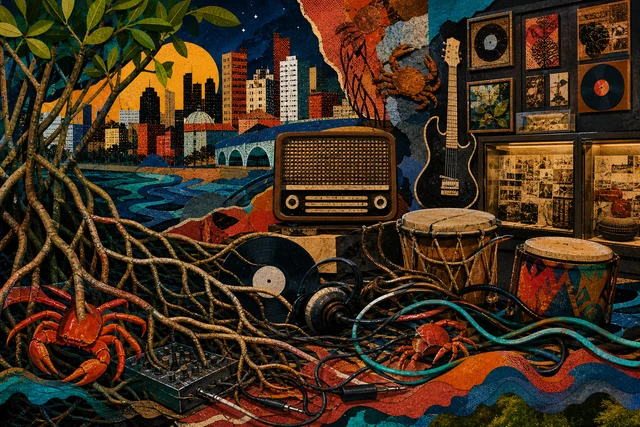
Space for memory and research on Chico Science, his work and the Manguebeat movement.
2 sources and traceabilityVerified 2026-07-28
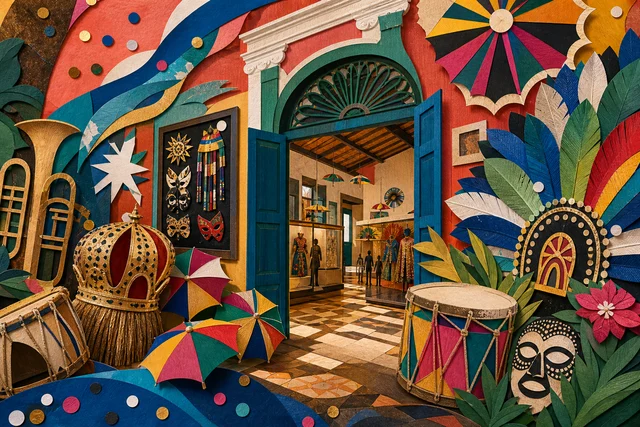
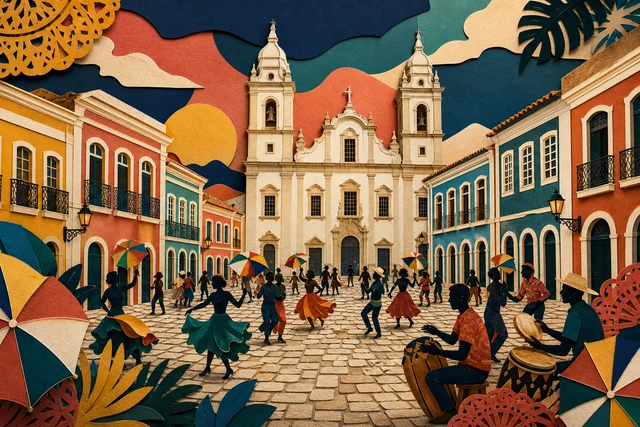
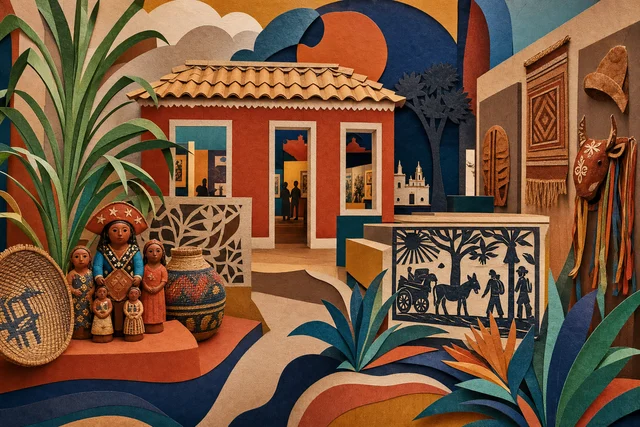
Chico Science Memorial — Original Meu Recife editorial illustration — not a documentary photograph.
Original Meu Recife editorial illustration — not a documentary photograph. · Meu Recife
01

Three rooms about the man who rewrote the city's sound

The Chico Science Memorial is small: three compact rooms in an old house on Pátio de São Pedro. The scale is inversely proportional to the importance, and there is a logic to that, because mangue beat did not begin in institutions but in clubs, rehearsals and cheap studios. The city's official texts describe Chico Science as the precursor of the movement that joined maracatu and other local rhythms to electric guitar, funk and rap. Before him Recife appeared in national music mainly as a source of folklore; after him the city was read as a contemporary scene with a language of its own. The memorial does not explain this in a lecture: it sits you in front of a screen and starts the footage.

02

A short life with a long trail

Chico Science was born on 13 March 1966, and his artistic path fitted into little more than a decade. In the early 1990s, with Nação Zumbi, he brought to the stage a sound in which maracatu and coco met guitar riffs; his first international trip took him to the SummerStage festival in Central Park, New York. On 2 February 1997 he died, before turning thirty-one. In 2017, on the twentieth anniversary of his death, the memorial ran a full day of film screenings, including the documentary Chico Science — Caranguejo Elétrico, which carries footage of that New York concert. On 13 March 2022 the city delivered the refurbished memorial, on the date the artist would have turned fifty-six, a day after Recife's 485th anniversary.

03

A video library instead of display cases

The memorial's greatest asset is its video library, which gathers practically all the audiovisual material made with Chico during his lifetime: clips, television reports, concert footage. It plays continuously, and the house has two audiovisual rooms, so the visit becomes a screening rather than a walk past exhibits. The second line is how his method was assembled: the official description highlights the range of his references, from the king of funk James Brown to the melancholy Nick Drake and the admired Mestre Salustiano, a central figure of regional maracatu. That neighbouring of names describes precisely a movement that refused to choose between local and global. Printed material and objects fill in the picture, but the moving image is what convinces, because Chico explains himself best on stage.

04

What to watch and hear

Do not watch the footage in fragments. Let one piece play to the end and follow how the maracatu drum line enters the guitar riff, because that junction shows mangue beat was not collage but work on rhythmic logic. Notice the stage presence and the clothes, since a straw hat worn with urban dress operated as a statement of belonging to two worlds at once. Read the lyrics as urban journalism: mangrove edges, antennas, crabs, mud and satellite television share the same frame. And keep the list of influences displayed in the memorial, which explains the method better than any definition of style, because it shows the material the music was built from.

05

Pátio de São Pedro around it

The memorial occupies house 21 on Pátio de São Pedro, a historic ensemble in the São José district. The neighbours form a block of memory that is rare in its density: house 35 holds the Luiz Gonzaga Memorial, house 49 the Museum of Popular Art and house 38 Casa do Carnaval. One stop shows how Recife keeps several musical traditions and how they connect. For mangue beat the setting makes sense, because the movement grew out of the tension between the old centre, the mangrove peripheries and a global pop culture arriving by television and record. The São José market is close by, and it is worth walking through afterwards: the city Chico sang about is audible there without any display.

06

How a museum handles a rebel

The contradiction here is obvious and unavoidable: an institution preserves the memory of a culture made outside institutions and often against them. Turning a musician into a symbol of the city and then into a tourist brand has a cost, and it is worth noticing where a living biography becomes a convenient icon. Remember too that mangue beat spoke about concrete things: poverty in the mangrove neighbourhoods, the abandonment of the centre, unequal access to culture. None of that has disappeared, and the memorial sits beside a district that remains hard. An early death at thirty adds the temptation to read the life as myth. It is more honest to keep the music and the city in focus instead of the legend.

07

Planning the visit

Allow thirty minutes to an hour. The logic is simple: sit down and watch the footage first, then walk the rooms, because objects and texts change meaning once you have seen a full performance. According to official information the memorial opens on weekdays during daytime hours with free entry, but programme and hours change and should be checked beforehand; on symbolic dates there are screenings and events. The best pairing within the square is the Luiz Gonzaga Memorial, two musicians, two eras and two ways of carrying a local sound to the whole country. With teenagers, start here, since a video library usually works better than text-heavy displays. On symbolic dates such as 2 February and 13 March expect extra programming and more people; on other days the place is quiet and you can watch at your own pace.

08

Getting there and access

The address is Pátio de São Pedro, house 21, São José district, CEP 50020-220. This is the historic centre: fifteen to twenty minutes on foot from Marco Zero, with several bus routes passing nearby, while driving is harder because of dense traffic and limited parking, especially on event days. The house is old and small, with compact rooms and narrow circulation, so wheelchair access, staff assistance and the possibility of attending a screening should be confirmed with the memorial for your date. The paving of the square is uneven, so wear stable shoes. The centre empties quickly in the evening, and the way back is worth planning in advance.

09

Where to go next

The next step is the Luiz Gonzaga Memorial at house 35, and the pair works almost as a single narrative: Gonzaga carried the sertão to the country in mid-century, and Chico Science did the same thirty years later for contemporary urban Recife. Still on the square, the Museum of Popular Art shows the same culture in clay and wood, while Casa do Carnaval explains the organisational side of street traditions. In the port, Paço do Frevo continues the theme by showing how the city turns street music into an institution. And if you would rather have live sound than a museum, ask on site where maracatu is playing in the coming days.

10

Verified facts

Every fact below is linked to this profile’s source codes.

Location
São José · Recife
REC_TOUR_DATA · REC_CULT_DATA
Listed address
Pátio de São Pedro, Casa 21
REC_TOUR_DATA · REC_CULT_DATA
Documented focus
Space for memory and research on Chico Science, his work and the Manguebeat movement.
REC_TOUR_DATA · REC_CULT_DATA
Evidence basis
The place is listed by an official source; current visitor operation needs confirmation.
REC_TOUR_DATA · REC_CULT_DATA

Original Meu Recife editorial copy based only on this profile's source codes. It does not reproduce third-party text in full or turn a community-guide opinion into fact.

11

Before visiting

Check hours and programme before you set out, since official information indicates weekday daytime opening but dates and events change. The video library runs continuously, so allow time to watch at least one recording in full. The house is historic and small, and accessibility should be arranged in advance.

Reference address
Pátio de São Pedro, Casa 21, São José, Recife — PE
Museums & memory
1–2 hours
What can change
Hours, tickets, accessibility and temporary closures can change. Confirm with the official source before visiting.
12

Getting there

Coordinates published by an institutional source

Reference address
Pátio de São Pedro, Casa 21
District and city
São José · Recife, PE
Verified coordinates
-8.067122, -34.878842
The interactive map will load as you scroll
Location map for Chico Science Memorial
Coordinates published by an institutional source · map © OpenStreetMap